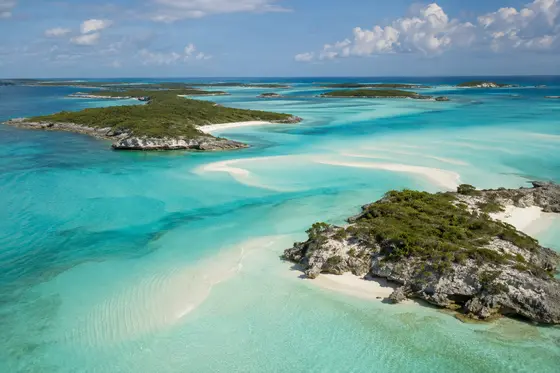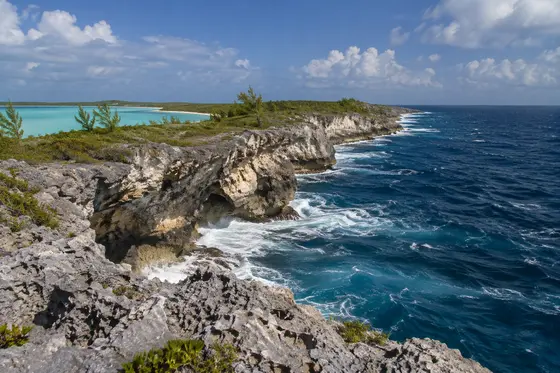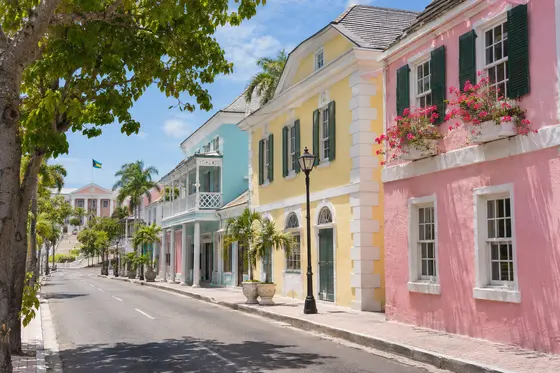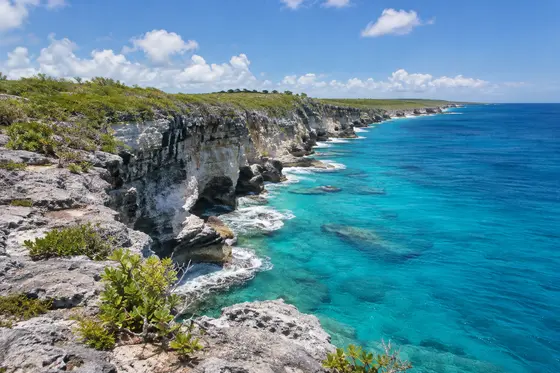
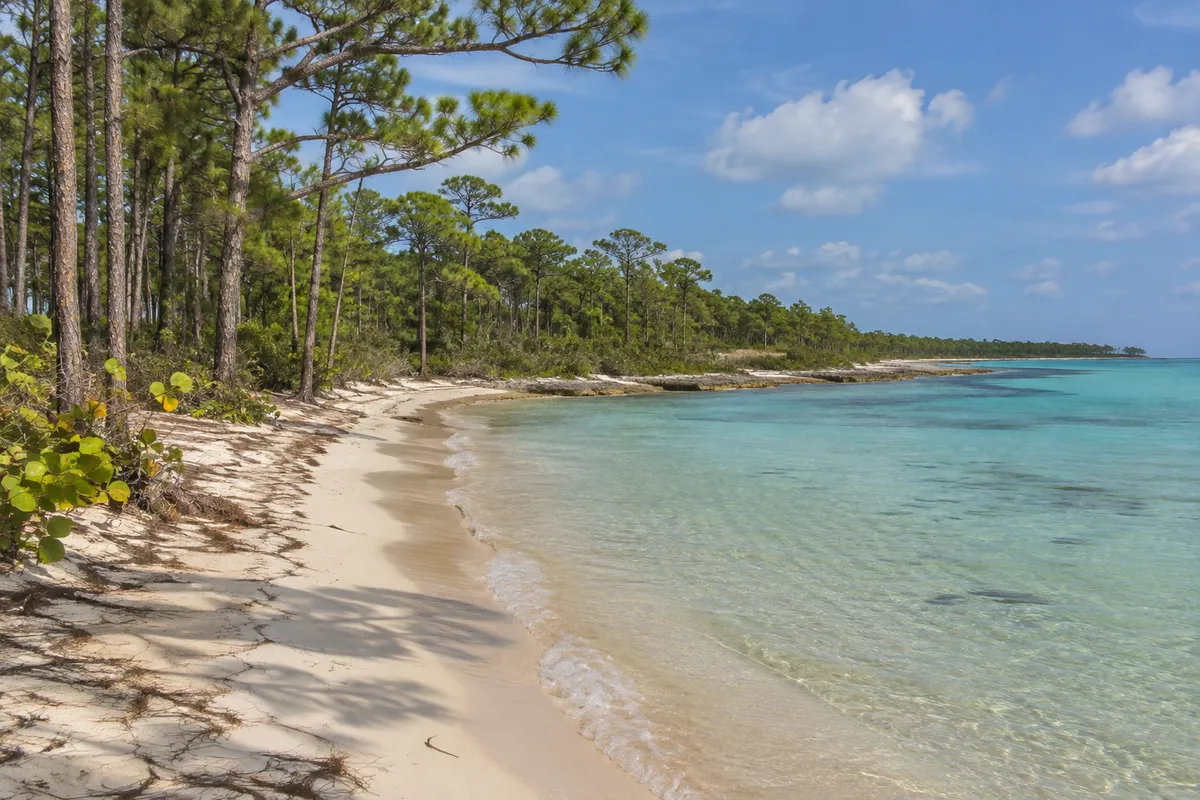
For many visitors, Grand Bahama means Freeport and its resort districts. The island is larger and more varied than that first impression. Away from the main urban area, pine forests, mangrove creeks and coastal settlements give a sense of its geography. A hire car or an organised local outing can make those areas much easier to reach.
Freeport and Lucaya
Freeport is a commercial centre and a gateway for international arrivals. The Lucaya area is often chosen by visitors for its beaches and visitor facilities. When planning meals or shopping, confirm the opening days of specific businesses. The city and surrounding island have experienced severe hurricanes, particularly Dorian in 2019, and services and facilities have changed in the years since. Ask local sources about current conditions rather than relying on an older map of attractions.
Lucayan National Park
East of Freeport, Lucayan National Park introduces several of the island's habitats. Trails pass through pine and coastal vegetation, and the area is known for underwater cave systems. Their exploration is a specialised activity. Ordinary visitors can enjoy approved paths and viewpoints while staying clear of restricted entrances. Gold Rock Beach in the same area is well known for its broad sands when the tide is low. Check park access and tide conditions before travelling there.
Settlements along the coast
The western end of the island has a history connected with fishing, boats and Gulf Stream crossings. Farther from Freeport, places to buy food and fuel may be more spread out. When driving east or west for the day, confirm that your vehicle and route are suitable and return with time to spare.
Grand Bahama can suit people who want a mixed holiday of town, nature and beach time. Rather than spending the whole trip in one commercial district, plan one or two trips with people who know the island. The landscapes away from the larger hotels are often the parts visitors remember most clearly.
A morning in the coastal forest
Look for a short approved nature trail if you have spent several days on the beach. In wooded areas, the sound of birds and the scent of pine after rain provide a different impression of the island. A guided outing can help you understand how the forest, mangroves and coastal wetlands are related. Take water and insect protection and keep to paths, particularly where there are fragile rock formations or entrances to caves. Check current park notices before planning your route. A short visit can be enjoyable even if your main holiday base is in Freeport.
A town built around the harbour
Freeport is unusual among Bahamian population centres because much of its recognisable urban layout was developed in the twentieth century. Its road network and commercial areas reflect the plan for an international port and industrial centre, not the gradual development of a small historic island village. Visitors arriving by ship often see loading facilities and open roads before they encounter a resort or stretch of tropical shoreline.
This history explains the modern services that make Grand Bahama a convenient island for an independent visit. A traveller can arrange a single accommodation base, buy provisions nearby and set out on drives in opposite directions. The commercial districts are not particularly suited to a long sightseeing walk: buildings are spread apart, and there may be long stretches without shade or a continuous pavement. Instead, leave the larger roads for a few particular places of interest.
Port Lucaya's market and marina are easier areas to explore on foot, although businesses and visitor services can be affected by seasonal changes. Stop at locally run shops and eating places, then move out of the main visitor area to see part of the island where the buildings, boat landings and landscape are connected more directly with everyday community life.
A forest visit without leaving Freeport
The Rand Nature Centre is a worthwhile introduction to the island's terrestrial ecology. This hundred-acre tract of native woodland is managed by the Bahamas National Trust and is quite close to the centre of Freeport. Rather than driving deep into an unfamiliar rural area for a first look at local plants and birds, visitors can inquire about trails at the centre and set aside part of a morning there.
Bahamian pine has a tall, relatively open growth habit, allowing sunlight to reach parts of the forest floor. Other plants may form a dense understorey. Keep an eye on the variety of leaves and the way plant communities change where conditions become drier or more sheltered. The impression of an apparently flat island begins to change once you have spent time at ground level in its natural landscape.
Birders can check which species have recently been seen at the centre before arriving. Most casual visitors will see more by stopping quietly for a few minutes than by following a path at a brisk pace. Small birds and butterflies are easy to miss if you concentrate on larger or more famous animals. Check the centre's current admission arrangements with the Trust and wear shoes suitable for a woodland walk.
Why the caves and coast belong together
Lucayan National Park includes a little bit of almost every characteristic Grand Bahama environment. Within its boundaries lie pine woodland, dense broadleaf cover, mangroves and the beach. The Bahamas National Trust's Grand Bahama park guide identifies the habitats within its protected areas. The transition between them is part of what makes the local walk so interesting: vegetation that tolerates salt and periodically flooded soils differs from plants just a short way inland.
The island's caves are part of a much larger underground environment. Limestone channels formed over many changes in groundwater and sea level, creating partially or wholly submerged passages. Seen from an approved viewing area, the darkness beneath the surface can make it hard to believe just how far some passages extend. Visitors need to keep cave exploration separate from ordinary swimming or snorkelling.
A visit to Gold Rock Beach is especially worth coordinating with local tidal information. A broad stretch of sand may lie exposed when the water recedes, creating temporary shallows and pools. At higher water the same strand can have a very different aspect. Plan the walk to the beach through designated routes, and remember that the beautiful sand and coastal vegetation are part of a protected landscape rather than just an extension of a resort waterfront.
Peterson Cay and the surrounding marine habitat
Peterson Cay National Park protects a small offshore cay and an area of surrounding water off Grand Bahama's south coast. The park is particularly important as a protected site for seabirds. It is a reminder that a small stretch of dry land on a nautical chart can have immense importance to birds that choose an isolated shore to breed, as well as to fish and other animals nearby.
Those interested in seeing marine wildlife can ask a local operator about responsible boat outings to the general area. A shallow, clear reef can be a good place for a guide to point out different coral colonies, small reef fish and sandy areas between them. Do not assume that landing is allowed simply because a cay looks unoccupied. Some coastal habitats are sensitive at particular times of year, and protection rules can limit access. Ask about the latest conditions and park regulations.
Two short road journeys outside the city
Heading west from Freeport, a drive through the Eight Mile Rock area gives a sense of the succession of settlements along the main road. Holmes Rock and West End are useful names to look for while planning a route in this direction. Ask a local guide about the Boiling Hole and the natural landscape around Holmes Rock if you would like to arrange stops away from the busy traffic. In West End, the island narrows to its westernmost area, and the waters nearby have long been closely associated with marine travel and fishing.
In the other direction, East End communities and the open landscape around them make a striking contrast with Freeport. Pelican Point, for example, is associated with outings for anglers and nature enthusiasts. If fishing is not part of your plan, ask about a nature trip or spend time beside a sheltered part of the coast where local advice indicates that access is suitable.
Plan these journeys on separate days and enquire about meals and petrol stations in advance. Time in both East End and West End puts the large city at the centre of Grand Bahama into perspective.