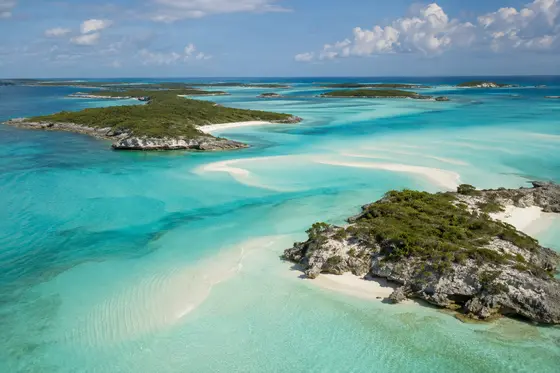
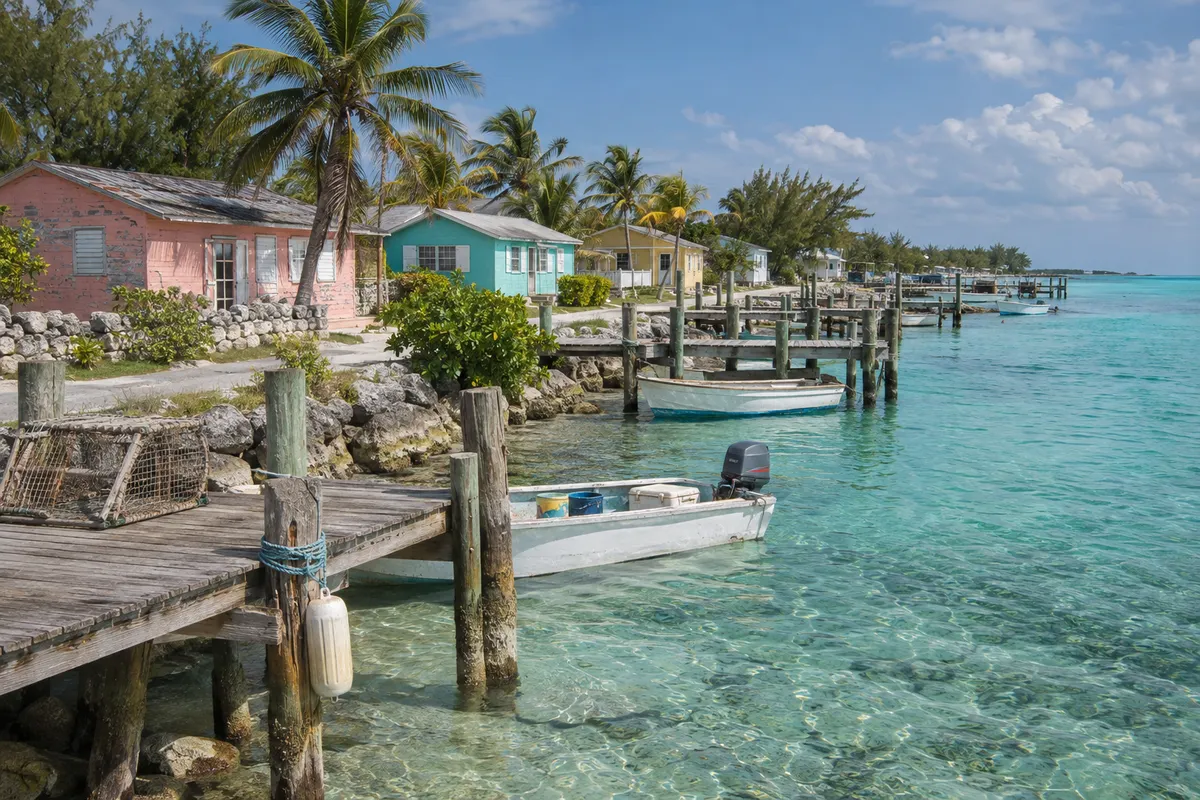
Bimini is closer to Florida than many other destinations in the Bahamas, which has made it familiar to sailors and anglers for generations. Its small islands sit near the edge of deep ocean water, with a comparatively sheltered area on the eastern side. The result is an unusual combination of fishing traditions and easy access to marine scenery.
North and South Bimini
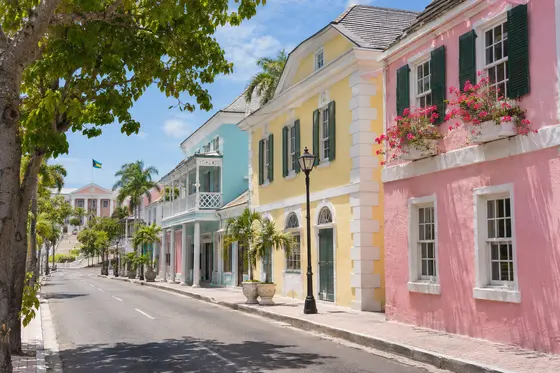
Alice Town on North Bimini is a place to walk slowly, look at the waterfront and find a local lunch. The narrow island has residential streets, visitor facilities and boats rather than a long list of major monuments. South Bimini is separated by a channel and has its own airport. Check which side your accommodation is on and how you will get there, especially if you arrive by plane rather than by boat.
The Dolphin House Museum is one of the more distinctive places on North Bimini, known for its mosaics and use of salvaged materials. Ask about visiting arrangements beforehand. Bimini also has links with writers and sports fishermen who spent time there during the twentieth century.
Fishing and diving
Much of Bimini's appeal is just offshore. The SS Sapona, an old concrete-hulled vessel, is a familiar wreck site. Visits depend on conditions and should be arranged with an operator who knows the area. Divers can explore other wrecks and reefs, while anglers seek fish in the surrounding waters. Check local fishing regulations and choose an appropriately permitted operator if hiring a boat.
How long to stay
A short visit suits travellers who want only an introduction, but more time lets you explore the island without trying to fit everything into a single day. Arrangements can be affected by weather or transport schedules. Confirm airport transfers and local boat times, especially if you are making a connection. The attraction of Bimini is often the combination of a small harbour community and a great deal of ocean on its doorstep.
Spending an afternoon on land
Boat trips tend to dominate holiday plans in Bimini, but there is something to be said for a slow walk after returning from the water. Look at the narrow streets and the way houses are arranged between the sea and the harbour. Stop for a cooked seafood meal and ask about nearby access to the beach. Visitors coming from Florida for a short stay should not assume that shops or local transport work in the same way as at home. Confirm any ferry or airline arrangements in advance and leave time to clear the required procedures.
The writers, fishermen and artists of Alice Town
Bimini developed a reputation among visitors from Florida who came in search of sport fishing in the waters near the islands. Ernest Hemingway spent time here in the 1930s, when fishing, conversation and the activities around the docks furnished material for his writing. He is only one of the people with a connection to this remarkable place. Many others made their livings through boat handling, trade and the practical business of supporting island communities. Looking at the waterfront as a working place helps put the famous literary anecdotes in perspective.
The Bimini Historical Society established the Bimini Museum to preserve objects and photographs connected to the island's history. The tourism ministry's museum listing includes its location and details of its collection; enquire about its reopening and the possibility of visiting, as arrangements may change. Another aspect of local artistic culture can be seen in the Dolphin House. Ashley Saunders created a building decorated with recovered materials, with shells and glass forming patterns across its surfaces. Instead of just photographing the exterior, ask about the story of the individual pieces and the progression of the project, provided a tour is available. The building brings together local ingenuity and affection for the marine environment in a particularly personal form.
Facts and legends beneath the waves
Bimini Road consists of a striking grouping of stones underwater off the western side of North Bimini. Their alignment has generated stories connecting them with the mythical city of Atlantis, and the formation attracts divers as an unusual sight. The effect of the stones can be appreciated without accepting the claim that they were built by an ancient civilisation. Geological studies of the formation have identified its material as beachrock, which forms when sediment becomes cemented in the coastal environment. This rock can fracture into blocks as conditions change, creating an appearance that seems unusually ordered. A sedimentological study makes the case for a natural explanation of the formation.
The Fountain of Youth story also has an association with Bimini, and a limestone well on South Bimini is linked with the legend. Such stories give the islands a particular place in popular imagination, but they should not be regarded as proof of miraculous properties or of any particular historical event. They offer an interesting subject for conversation alongside a more tangible part of local history: the way people explored and navigated these shallow waters over the centuries. If you want to see the underwater stones, ask a professional diving or snorkeling operator whether they are suitable for your experience and the current weather.
Mangroves and marine research
While the fishing grounds and wrecks are familiar attractions, the less spectacular-looking shallows of Bimini have significance for marine conservation and research. Mangrove fringes provide protected habitat, with tangled roots creating sheltered areas for juvenile fish. The seagrass beds and channels are also part of the ecosystem in which larger fish, sharks and rays live and feed. The value of these different environments is interconnected, and it is easy to underestimate them if you judge the quality of the landscape only by the colour of the sand.
The Bimini Biological Field Station, often called the Shark Lab, studies sharks and rays and their ecology. Its official site describes the research programmes and educational activities. Visitors with an interest in marine science may wish to enquire about appropriate opportunities to learn from the institution, rather than arriving at a research facility without arrangements. If you take a guided trip into the shallows, keep disturbance to a minimum. Watching wild animals cannot guarantee a particular encounter and should never require a guide to harass or pursue them. An hour spent exploring a quieter marine habitat can give you a wider understanding of the islands than a trip exclusively devoted to sightings of the largest creatures.
Spending time on the ocean side
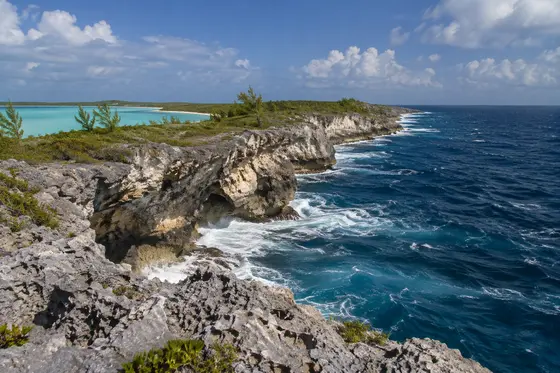
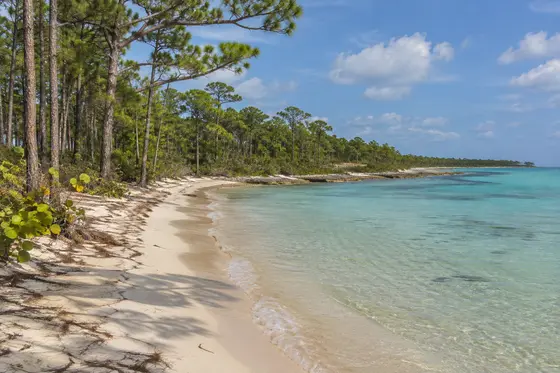
The landscape around North Bimini has clear differences between the harbour-facing areas and more exposed coast. Along the ocean-facing beaches, the water can look particularly blue because the surrounding depths change rather quickly. A beach visit is a good way to spend part of a day if you do not intend to take a boat excursion. Find public access, look for shade and think about where you will obtain water and food, since the style and number of facilities vary along the shore.
Strong wind can make a beach uncomfortable even if the weather is otherwise bright and warm. Use a protected spot for sitting on those days, and follow local advice about swimming. A beach intended for sunbathing is not necessarily an ideal place to learn snorkeling or swim long distances. In the afternoon, return towards the settlement for a meal rather than carrying every supply onto the beach. Fish, conch dishes and locally baked items can provide a sense of the islands' food traditions. Ask which ingredients are available instead of choosing only from familiar names, and respect current rules intended to protect local fish and shellfish resources.
A realistic short break from the mainland
Although Bimini is relatively close to the Florida coast, an international trip involves more than the time spent on an aircraft or ferry. Plan for immigration and customs procedures, onward transport between the islands and the location of your accommodation. An arrival toward the end of the day does not give enough time for several activities before dinner, particularly if you need to transfer from the airport to the north side. If you stay for two full days, consider reserving one for an outing on the water and one for the beaches, museum or other cultural stops.
Some transport services bring passengers to North Bimini, whereas the principal airport is on South Bimini. For boaters coming from abroad, consult the relevant official port-of-entry and clearance rules rather than following information from an old travel account. Even a short crossing can require changing arrangements when the sea is rough. Avoid a time-critical boat booking on departure morning.