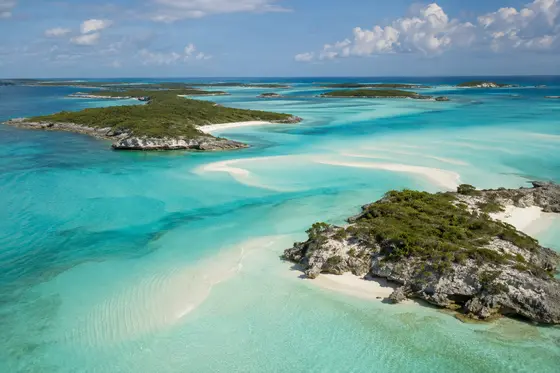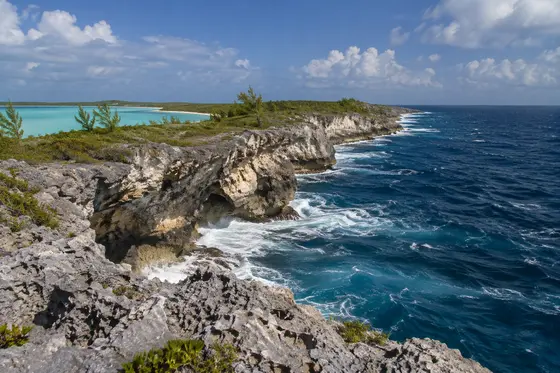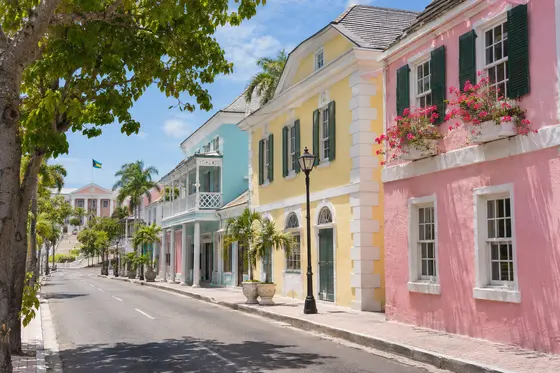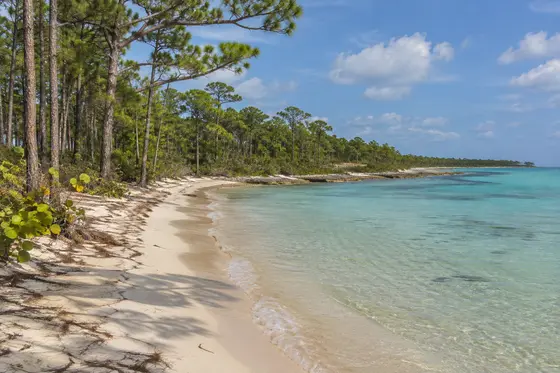
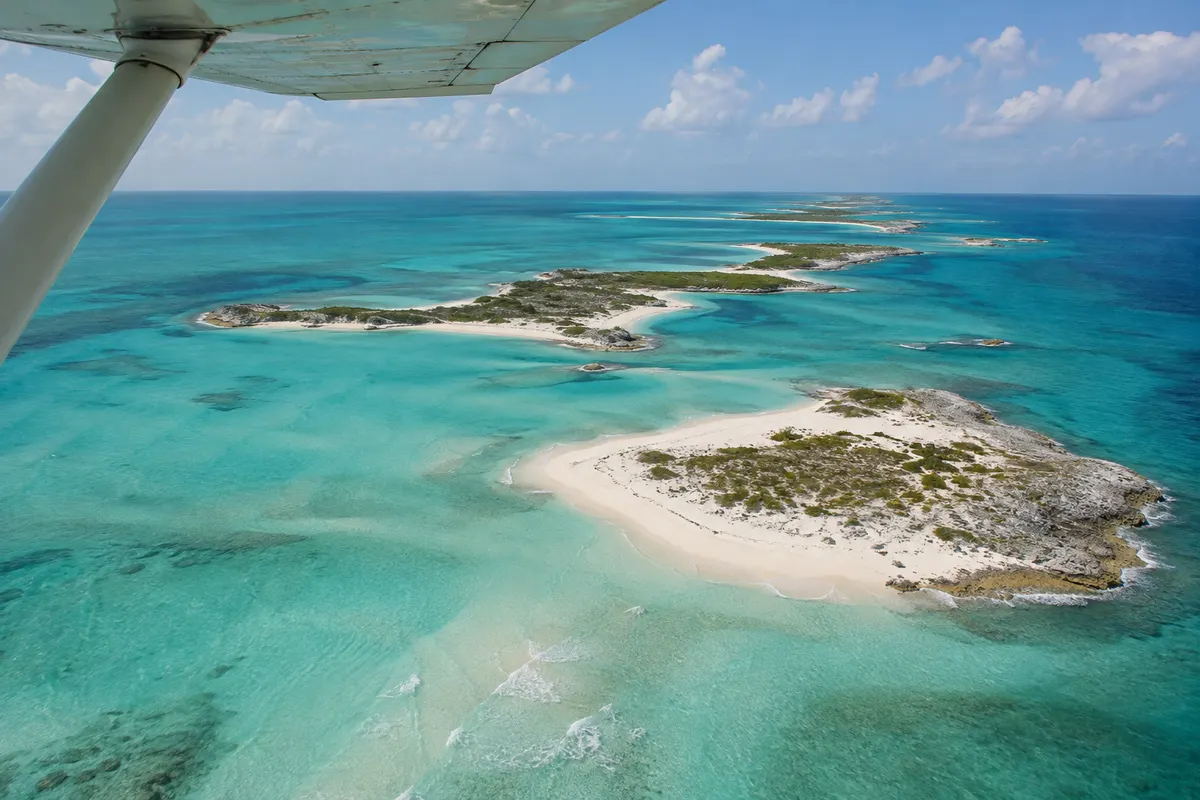
The Berry Islands are scattered between the shallow Little Bahama Bank and much deeper ocean water. Many of their cays are uninhabited. Travelers drawn to this area usually come for fishing, cruising or the simple pleasure of staying close to the water rather than an extensive list of land-based attractions.
Great Harbour Cay
Great Harbour Cay is one of the islands where visitors can arrange a land-based stay. Its airfield and harbour provide access, though flights and accommodation should be booked well in advance of a planned visit. The long stretches of coastline feel very different from a busy resort beach. Ask your host about good access routes, where to buy provisions and the most sheltered place to swim.
The island is a useful base for short excursions when weather permits. If you hire a boat, make arrangements with a responsible operator who understands the local banks and channels. Some cays are private and may not be open to landing; always get permission where it is needed.
Chub Cay and the fishing grounds
Chub Cay is particularly associated with sport fishing. It lies near the deep waters of the Tongue of the Ocean, where the underwater landscape changes quickly beyond the bank. Anglers should check permit requirements, protected species and seasonal rules before arranging a trip. There is also much to enjoy simply watching the boats and exploring the coves with a guide.
Travelling with realistic expectations
The Berry Islands are not the place to rely on a late-night convenience shop or frequent public transport between destinations. Confirm whether the accommodation provides transport, meals, boat trips or access to a grocery shop. Keep your departure arrangements flexible if relying on a weather-dependent journey. A good stay is usually based around one cay and a small number of excursions, not an attempt to cover the entire group.
Simple provisioning for a short stay
Make a list of the things you will need for the entire visit and ask your accommodation which are supplied. Groceries and other supplies may have to arrive by boat, and a small shop does not necessarily carry every item throughout the week. If you have dietary requirements, discuss meals with the host in advance. Keep a spare bottle of drinking water for outings and do not count on finding food at an uninhabited cay. These are minor inconveniences for a traveller who prepares, but frustrating ones for someone arriving without a plan.
From Bullock's Harbour to Sugar Beach
Bullock's Harbour is the principal settlement to look for when planning time on Great Harbour Cay. Its roads, housing and harbour facilities provide a sense of the working island that is easily missed from the deck of a visiting yacht. Talk to your accommodation about transport into the settlement and places to obtain basic supplies. A meal there might be a more pleasant way to spend the warmest hours of the day than setting out for a distant stretch of shoreline.
Sugar Beach presents a different coastal landscape from one uninterrupted line of powdery sand. Several rocky projections separate the sandy coves, creating a series of small views rather than a single sweeping panorama. The official description of Sugar Beach also mentions the remains of the island's former resort and vegetation including thatch palms. Do not explore deteriorating buildings or attempt to enter caves without appropriate guidance.
At such a beach, a slow walk along a suitable stretch of coastline can be satisfying without trying to reach every cove. Check where to park or begin walking, and keep an eye on changing water levels and the conditions around the rocks. Bring everything required for a beach visit; small coves seldom have the facilities of a developed resort.
A look at the islands' twentieth-century story
Great Harbour Cay attracted considerable interest as a holiday development in the late 1960s and early 1970s. The original resort project included a golf course and plans to bring wealthy visitors to the relatively isolated island. Older photographs and accounts from this era show how the island was marketed to an international audience as a private retreat. Features left by that period of development help explain the unusual mixture of everyday village life and resort landscape.
The permanent settlement history predates those ambitious plans. A Bahamas tourism fact sheet identifies Great Stirrup Cay as the site of a settlement established for people who had gained freedom from slavery in the nineteenth century. Its history is part of a wider pattern of small communities formed in the archipelago following emancipation, many relying on the resources of the neighbouring sea.
Some cays in the chain are now developed or used exclusively by particular operators, while others remain almost entirely undeveloped. Great Stirrup Cay, for instance, is associated with cruise visits and does not function like an ordinary public island destination. Before adding any cay to a map of places to see, find out who manages it and whether independent visitors may go ashore. Just being near a famous island by boat does not imply access.
Blue holes and an uneven underwater landscape
Hoffman's Cay is known for its saltwater blue hole. The feature is striking because the land around it gives little indication of the dark, deep opening until you reach an appropriate viewpoint. Blue holes originate as openings in soluble limestone, and flooding of some old underground passages has produced pools whose depth and geometry are difficult to judge.
Chub Cay also has a blue hole that is located within the Southern Berry Islands Marine Reserve. The official Chub Cay blue hole information specifically notes the danger near the road, with a marked hazard around the site. These are unusual natural features to observe, not playgrounds. Do not step near an uncovered opening, jump from the surrounding rim or attempt any dive there without appropriate authorised arrangements.
The coastal waters between cays can be equally interesting. Where the waves cross a broad shallow area, the water seems almost the colour of glass. Other patches may be darker because a bed of seagrass or coral is growing beneath the surface. Being able to distinguish between sand, seagrass and deep water is one of the pleasures of a guided boat journey. The colours, and therefore how the landscape looks, will change with the angle of the sun as the day goes by.
What makes the bank edge appealing to anglers?
A seafloor that shifts abruptly from shallow water to ocean depths provides very different environments within a relatively small region. Bonefish can be found feeding among shallow areas of mud, sand and mixed vegetation, while offshore species occupy the much deeper ocean. Different outings serve different interests; anyone booking a fishing trip should discuss experience level, suitable techniques and the expectations for the day with the operator.
The Berry Islands have a long association with big-game sport fishing, particularly around Chub Cay. The local marine economy has been shaped in part by the visiting anglers who bring boats to the area. Yet visitors do not need to charter a large fishing boat in order to appreciate the geography. A shore walk where there is a clear view across the bank, or a shorter sightseeing trip, may reveal just as much about life around the water.
If you do intend to fish, ask about legal permissions, marine reserve boundaries and how catches are handled. Never assume that an activity allowed elsewhere in the Bahamas is permitted at every sandbar or protected cay. Follow local rules concerning release and protected marine species. A trip arranged with a local operator who respects the environment also helps ensure that the flats retain their character.
Staying ashore when the weather changes
Winds over the open ocean can sometimes affect boat traffic even when the sun is shining on land. Set realistic expectations for a short island stay by deciding what you would enjoy without an excursion. A morning trip for provisions, a book under a shady porch and an afternoon walk near your accommodation may be sufficient if conditions are unsuitable for leaving the island.
For a longer visit, choose a day on the water when local advice is favourable and allow another day as a reserve before your departure. Do not plan to make a tight onward connection on the assumption that all boats and small aircraft run exactly to schedule. Discuss the options with your host, including whether a particular journey is by road, water taxi or charter and how bookings are made.
Cruising visitors should enquire about facilities for lawful waste disposal and water supplies, as well as landing arrangements, before leaving the vessel.