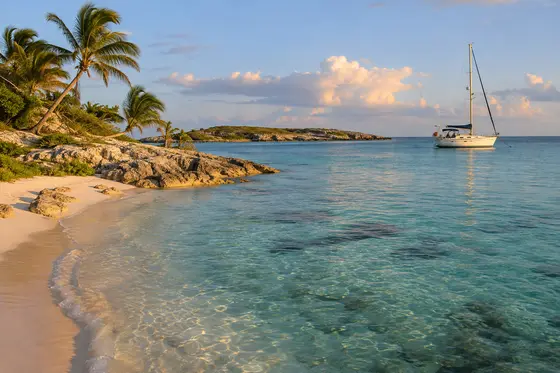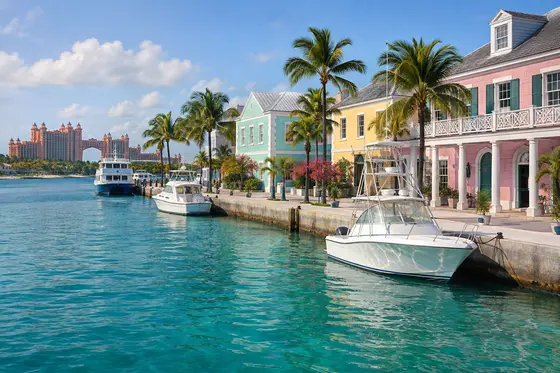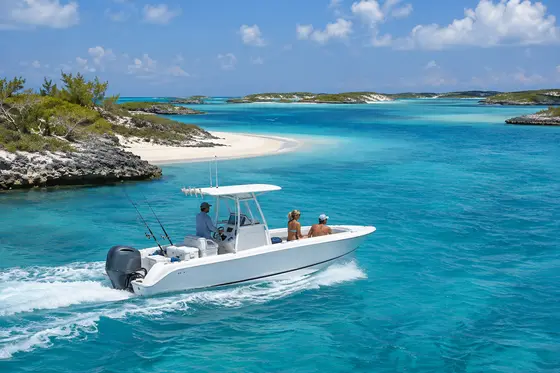
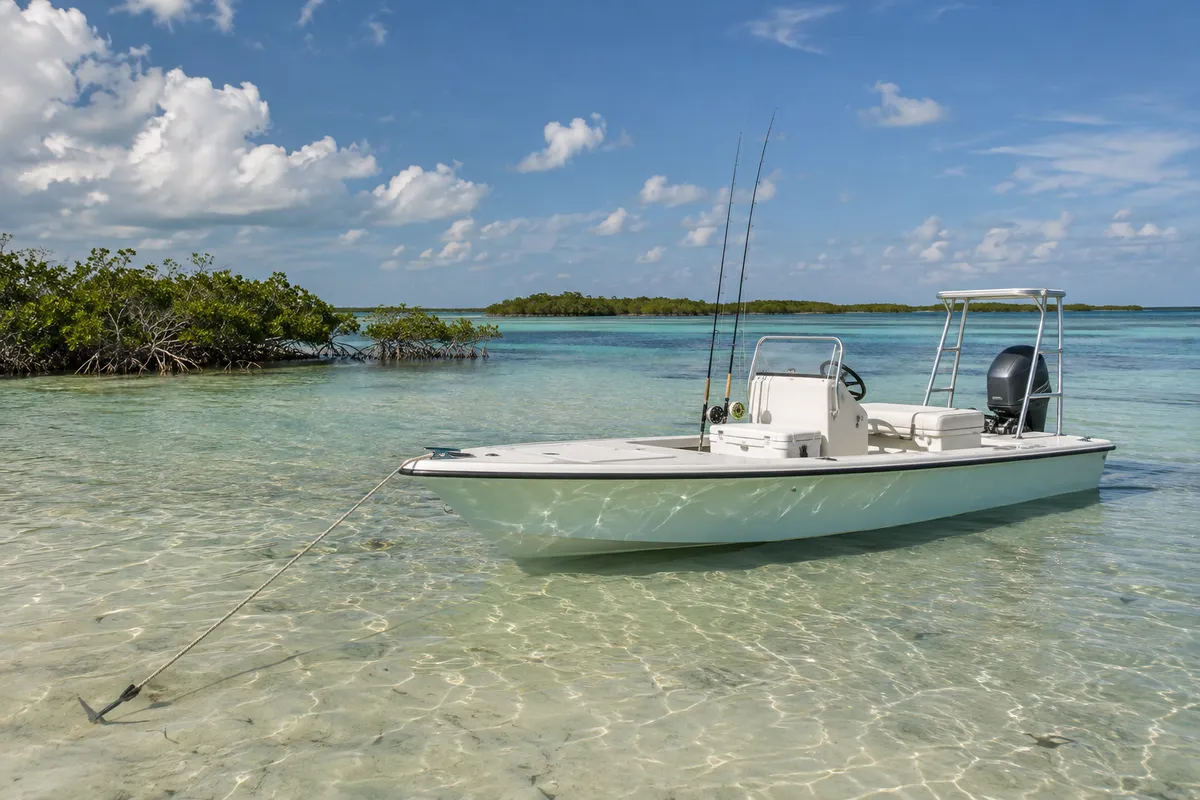
The Bahamas offers two very different kinds of fishing. On the banks, the water may be barely deep enough for a small skiff and an angler looks for the movement of fish in the shallows. Just beyond the edge of the banks, another fishing trip may take place over hundreds of metres of water. Choosing between these experiences is an important part of planning.
The flats
Bonefishing is closely associated with destinations such as Andros, Acklins and Crooked Island. Small patches of darker seagrass, changing light and wind all affect how easily fish can be seen. A local guide can help a visitor recognise the environment and choose a suitable outing. Many anglers practise catch and release. Handle fish as little as possible and follow guidance on responsible release and protected areas.
Beyond the banks
Bimini, the Berry Islands and other destinations near deep water attract offshore anglers. The species encountered depend on season and conditions. A boat trip can take much longer than a casual visit to a beach, and motion sickness may be a factor for some passengers. When arranging a charter, ask about the length of the outing, equipment, shade, drinking water and safety arrangements.
Rules and practicalities
Fishing licences, gear restrictions, seasons and limits may apply. They can differ by activity, nationality and location, and must be checked with the relevant Bahamian authorities before fishing. Protected marine areas may prohibit taking fish altogether. Do not assume that a borrowed rod or a fish seen in clear water means you are allowed to catch it. A reputable charter operator should be able to explain which permits and arrangements are required.
For a first trip, it is often better to book half a day in an area known to a professional than to plan a full week around an unfamiliar technique. Bring sun protection and drink plenty of water. Even if the catch is modest, the small channels, birds and changing colours of the sea are a large part of the experience.
Choosing the right boat trip
An angler travelling with a partner who does not fish may want a charter with shorter travel times and some shade. Ask whether the boat is primarily suited to flats fishing or offshore work, since those activities use very different vessels. Conditions that are fine for a guide accustomed to the open ocean may be unpleasant for a first-time passenger. Confirm the cancellation policy and what happens if conditions are unsuitable. If you have brought your own rods or other equipment, let the guide know in advance so that there is enough room to stow it safely.
Three environments, not a single fishery
Fishing in the Bahamas ranges from standing on a skiff in water so shallow that the bottom is visible to travelling aboard a substantial offshore vessel. The intermediate environment, around coral formations or other features of the seabed, supports another set of fish. These places differ in food, shelter and the movements of their inhabitants. Some fish travel long distances through open ocean, while others spend considerable time associated with a single area.
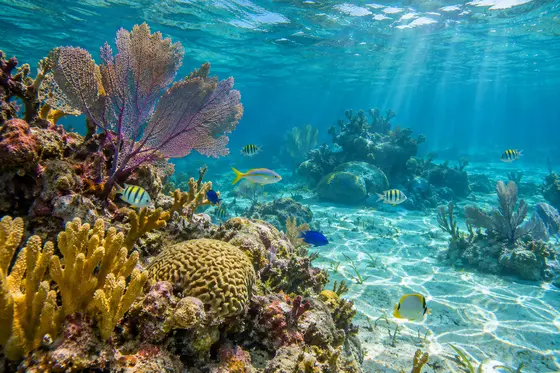
The official Bahamas fishing guide distinguishes offshore, reef and flats fishing. Each activity requires a different kind of trip. An offshore charter may spend much of the day moving over the water. On a flats excursion, quiet observation is part of the experience. Around reefs there are species of snapper and grouper that use the complexity of the submerged landscape. It is worth asking a guide what can be expected from a particular outing, including the likely time on the boat and the conditions that would make a different plan preferable.
Why bonefish belong to the shallows
A bonefish's pale, reflective scales make it difficult to distinguish from the sand beneath it. It is easy to understand why guides with years of experience are so important to the flats fishery. They can recognise features of the landscape that someone new to the area might otherwise overlook and interpret changes in the conditions. From an angler's perspective, the pleasure lies in developing an appreciation of this subtle underwater environment rather than simply visiting it with the most impressive equipment available.
Andros is the largest of the Bahamian islands and is notable for the extent of the flats and creeks on its margins. In a lodge specialising in flats fishing, guests may hear as much conversation about the wind, the surface of the water and the previous day's conditions as about the number of fish. There is a human geography to this as well. Families in the smaller settlements have worked with the surrounding water for generations. Choosing local guides and guesthouses gives anglers an opportunity to learn from that experience while supporting the economy that depends on a healthy fishery.
Offshore days and the coast of Bimini
The waters near Bimini are associated with sport fishing in part because the islands lie close to deep ocean and the powerful current moving along the region. Boats have long visited the islands from Florida, where anglers seek species such as marlin, tuna and mahi-mahi in the surrounding waters. These animals are mobile, and their presence on any outing cannot be inferred simply from the colour of the sea or a description of a past trip.
Bimini has a long tradition of fishing trips, and the small waterfront communities are part of its character. For a first offshore excursion, choose a reputable charter whose crew is equipped for the type of visit you want to make. Discuss whether passengers who prefer to observe have a comfortable place to sit and how long the trip is likely to last. A day that feels quite enjoyable aboard a sheltered boat close to land can be more taxing when the ocean is unsettled. A crew that is willing to adapt the day's plans when the wind increases may be providing a more valuable service than one promising an impressive catch.
Conservation and the life of a bonefish
The familiar flats used for feeding are only one part of a bonefish's life. Juvenile fish use sheltered coastal habitat, whereas adults may travel substantial distances to reproduce before returning to their usual surroundings. The research of the Bonefish and Tarpon Trust in the Bahamas shows why fisheries conservation needs to look beyond individual places popular with anglers. If links between the important habitats are broken by development or other disturbances, populations using the whole system can suffer.
Marine protection also makes a difference to reef dwellers. Fish need suitable cover and food through different stages of life, and reef health is influenced by what happens in nearby seagrass beds and mangroves. Regulations on fishing and the protection of marine areas reflect the need to manage these resources on which livelihoods depend. The Exuma Cays Land and Sea Park is a familiar example of a protected area where visitors cannot take marine resources. Confirm the current restrictions with a charter operator or the management authority rather than assuming all blue water around an island is open for fishing.
Arranging a dedicated fishing holiday
Accommodation for a fishing holiday can be as important as the choice of destination. A room in a general hotel may be convenient if you are making a single charter outing, whereas a specialised lodge may offer arrangements for several days on the water. Ask whether transfers, the boat, guide services and meals are included, and whether equipment must be brought from home. For a couple or family travelling together, check what else is available for visitors who do not plan to fish every day. These details matter more than an advertised promise of how many fish you might see.
Allow several days when visiting an outlying island for a specific activity. If one day is set aside because conditions are unsuitable, a visitor can explore a village, visit a beach or learn about the local environment instead of feeling the trip has gone to waste. Discuss any dietary or mobility needs, or other circumstances that affect the comfort of your group, before making travel arrangements. The smaller size of many fishing operations means that understanding each other's requirements in advance makes a positive experience more likely.