A family holiday in the Bahamas can be quite simple. The important decisions are the water conditions, travel times and the location of your room. A resort with plenty going on can help if you have children of different ages, but a rental close to a calm beach can be equally convenient.
Look beyond the resort facilities
Check how the children will get between the room, beach, swimming pool and places to eat. A long walk in midday sun may feel much longer with a tired toddler. If your accommodation has an unfenced pool or waterfront, supervise young children continuously and follow all local safety guidance. Ask in advance about cots, stairs, food preparation facilities and any age limits on activities.
Choose a beach for the day
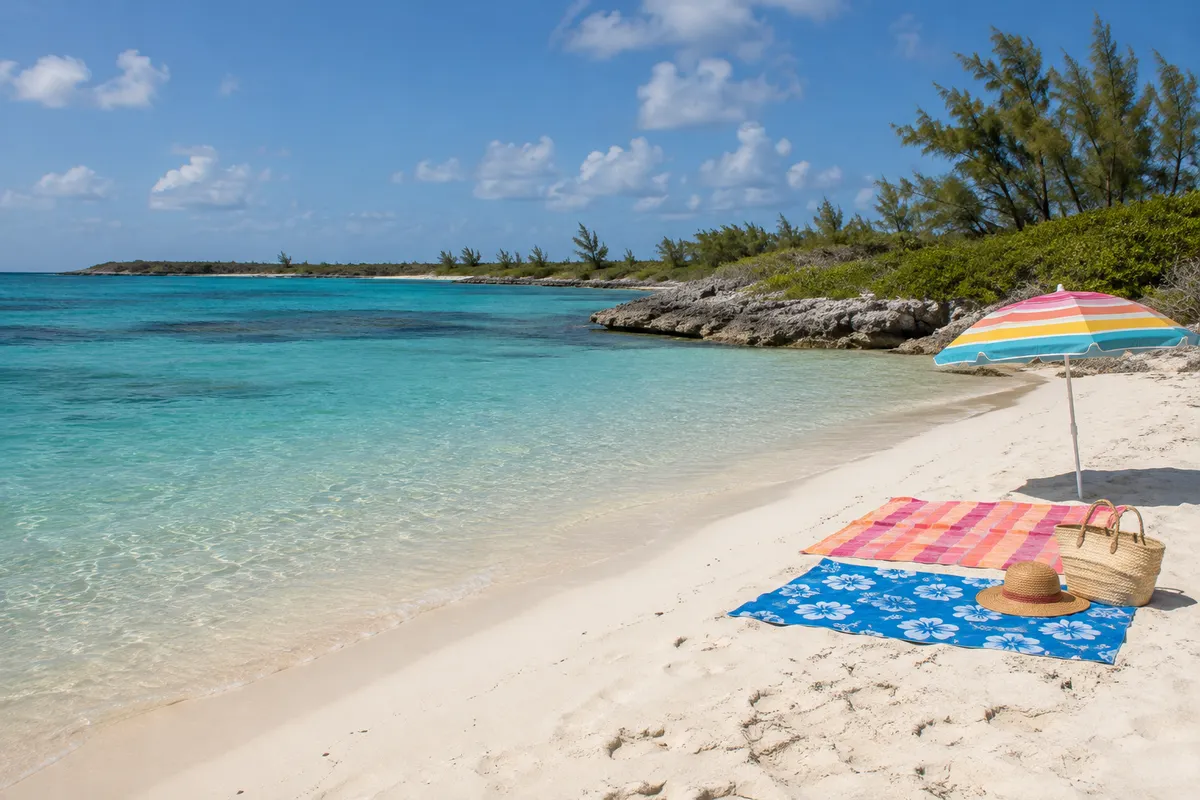
Sea conditions change even on beaches known for gentle water. Look for a sheltered location with a slow entry and take note of the wind. A parent should stay within reach of young swimmers; flotation toys are not a substitute for supervision or an appropriate life jacket. Don't assume a remote beach has a lifeguard or public facilities. Bring water, shade, snacks and suitable sun protection.
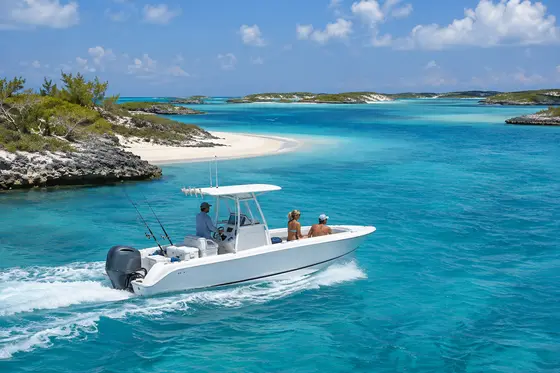
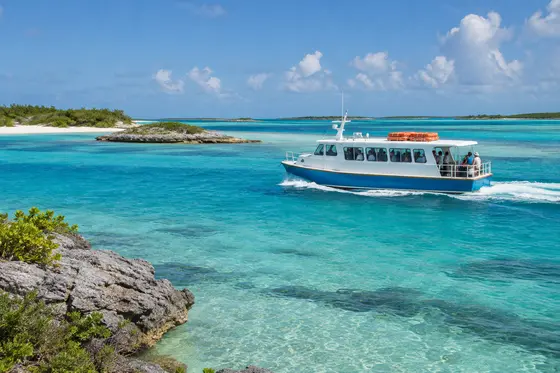
Older children may enjoy a supervised snorkeling trip or a short boat ride. Choose a reputable guide and ask about age requirements, life jackets, swim ability, toilet access and the length of the outing. A four-hour excursion may suit a child much better than an all-day trip.
Make room for quiet time
Plan the longest outings in the cooler part of the day. Keep the afternoon free at least every other day. A visit to a museum, a short walk around a settlement or lunch at a local cafe can break up days spent swimming. Children often remember watching fish from a dock or finding a tiny crab on the sand more clearly than the expensive attractions on a holiday list.
If your flight home leaves from a different island, allow time for travel without a tight connection. Confirm the current documents required for every member of the family with the relevant authorities and airline before departure.
Keeping the children involved
Give older children a small task on a walk, such as finding different colours of shutters or recognising the boats they saw at the dock. A visit to a museum can be more interesting if they already have a question about the pirates, the history of the town or the local music. On a beach, look for shells and seaweed together without collecting live creatures. Plan a short outing that everyone can finish comfortably, even if there is no particular attraction waiting at the end. A single hour with the children happily exploring is worth more than a whole afternoon of complaints about walking in the heat.
Choose an island that matches the ages of your children
For younger children, the convenience of a room near ordinary services can matter much more than having the most impressive beach in the country. On New Providence there is a broad range of accommodation and organised attractions, although getting between the hotel, town and a beach still takes planning. Paradise Island suits some families who prefer resort facilities. A holiday in Great Exuma may suit a family with children who are comfortable on short boat rides and enjoy a quieter atmosphere. A base on Eleuthera is attractive for exploring coves and settlements, provided everyone is capable of the necessary driving time. Consult the official guide to the islands to see how the destinations differ.
An older child or teenager may be more interested in street life, fishing, historic buildings or time spent with a knowledgeable guide than in a pool every morning. Encourage each family member to choose a few things that they would particularly like to do. Select a base that makes those activities possible without requiring everyone to join every outing. A parent and older child might want an early guided activity while others spend a quiet morning close to the accommodation. It is worth planning for those different interests when choosing where to stay.
Think through the sleeping arrangements and the kitchen
Ask detailed questions about the room or rental before booking it. A listing that says it accommodates four people may provide one bedroom and a sofa bed in the main living space, which might be ideal or less convenient depending on sleeping habits. If several children nap at different times, separate sleeping areas can make afternoons much easier. Confirm whether beds, bedding and child-specific equipment can be supplied and whether there are any costs. Ask about stairways, balconies, unsecured doors to outdoor areas and direct waterfront access if travelling with a toddler.
Look closely at photographs of kitchens and read the description of the equipment rather than relying on a label such as self-catering. Even a fridge and basic preparation space can be useful if children tend to become hungry before restaurant service is available. Find out where you can buy familiar snacks and basic supplies. If a child has an allergy or other dietary requirement, discuss how to communicate the requirement clearly with food providers and bring the necessary supplies in accordance with travel and import rules. Good accommodation should make the ordinary tasks of family life more manageable, rather than requiring endless new arrangements.
Structure a day around energy and shade
Instead of a timetable filled with outings from breakfast until sunset, divide the day into manageable periods. Go for an early swim or a short walk when everyone is rested. Return for a meal and a break during the hotter part of the day, then consider another short outing later in the afternoon. Even on a seemingly mild day, prolonged exposure to sun and heat can leave children tired and uncomfortable. Plan a sheltered area where you know you can sit comfortably between activities, especially if the beach has little natural shade.
Follow appropriate sun protection, hydration and insect prevention advice for your children's ages. The CDC's destination guidance for families gives practical information on precautions around water, sun exposure and insect bites. Consult your own healthcare professionals for individual needs before travel. When choosing boat, beach and swimming activities, pay close attention to current local conditions and the operator's instructions. Do not regard a calm-looking sea or a shallow entry as a substitute for careful supervision. Arrange a definite adult responsible for watching children near water and avoid relying on one person's assumption that somebody else is doing it.
Make transfers and outings easier to manage
Small travellers tend to judge a journey by the amount of time they spend waiting, not by the distance covered. Arrange transfers with the needs of the whole family in mind. Ask whether appropriate child restraints or seating arrangements can be provided for road transport, and make relevant arrangements in advance. If a domestic aircraft or ferry forms part of your itinerary, verify the rules for pushchairs, child equipment and luggage. A hotel a short distance away on a map may still require several steps to reach if there is a boat crossing involved.
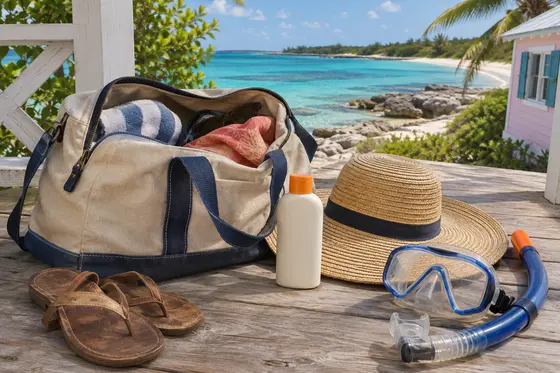
A prepared day bag helps enormously on outings. Carry the necessary age-appropriate drinks, snacks, sun protection and spare clothing, along with other essential supplies. Keep items that must stay dry in suitable storage. Where activities involve the sea, ask about suitable personal flotation equipment for children and which activities are appropriate for their age and ability. A three-hour visit during which everyone remains comfortable is preferable to a very long trip that leaves tired children far from their room. Look for attractions with reasonable access to toilets and places to take a break, and leave room for a change of plan.
Plan the moments between the main attractions
Some of the most enjoyable family activities cost little and take almost no advance planning. Look at fishing boats in a harbour from an appropriate public place, follow a short walking route through a settlement, or visit a museum while it is open and the children are still interested. Try a familiar meal with a local side dish, or arrange a visit to a cafe or bakery within walking distance of the accommodation. Bring books or games for an afternoon indoors if a rain shower or an unwelcome sea state changes an activity.
Be honest about what your children are interested in, and let them opt out of the things they do not enjoy. An older child might like to sketch a lighthouse or learn how a settlement developed, whereas another may prefer simply looking for fish from the shore. A day spent seeing a little of the real place and returning to a comfortable room can be the most successful day of the holiday. Leave the last evening similarly unhurried, with enough time to gather the children's bags, check the next morning's transfer and enjoy a meal before the journey home.