An inexpensive plane ticket does not necessarily make a Bahamas holiday inexpensive. Accommodation, domestic transport and imported goods can account for much more than the initial airfare. A little planning can help you control the costs without spending the whole holiday thinking about money.
Choose accommodation carefully
Compare the final price of a room, including taxes, deposits and any resort fees. Check whether there is a refrigerator or kitchen, how far it is from a grocery shop and what transport is needed to reach a beach. A less costly hotel on the opposite side of the island can become expensive if you need taxis for every outing. A small guesthouse or apartment may be practical for a longer stay, particularly if you can prepare breakfast.
Keep the trip compact
Many first-time visitors find that staying on one island saves both money and time. Domestic flights and ferries can add up for a family. Choose a location within reach of the activities you most want, then look for nearby public beaches and interesting neighbourhoods. On New Providence, investigate the local jitney routes for daytime trips. Exact fares and operating times can change, so ask before setting out.
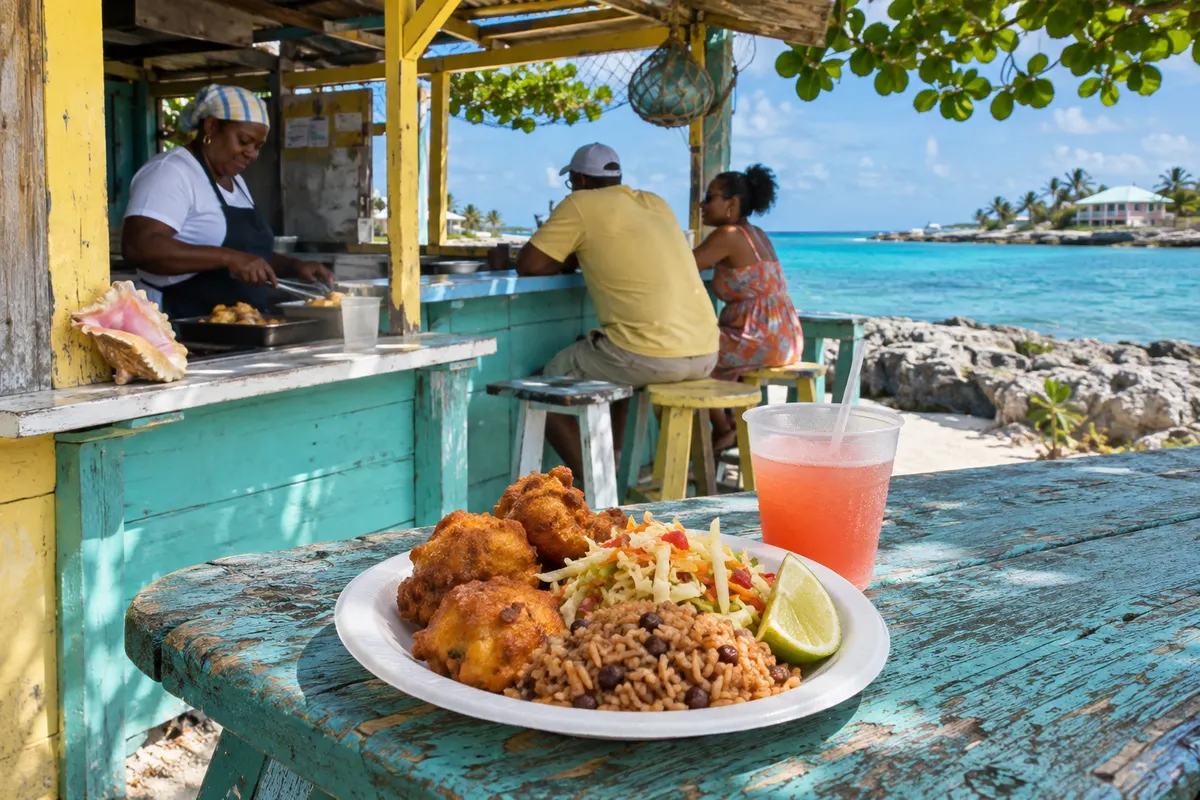
Lunch at a local takeaway may be enough for the afternoon. Look at the price and portion size before ordering, especially if a menu does not show prices. Drinking water and snacks purchased at a supermarket are often more practical than buying them at the beach. Keep some cash for places that cannot accept cards.
Pay for the outings that matter
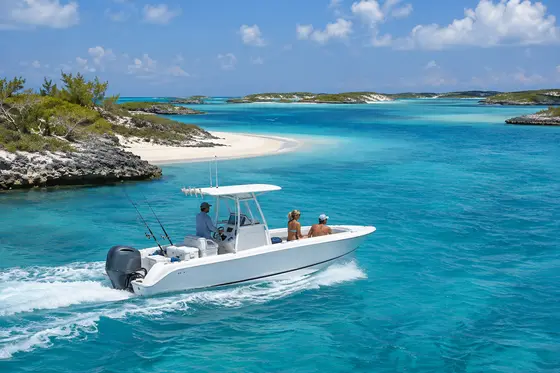
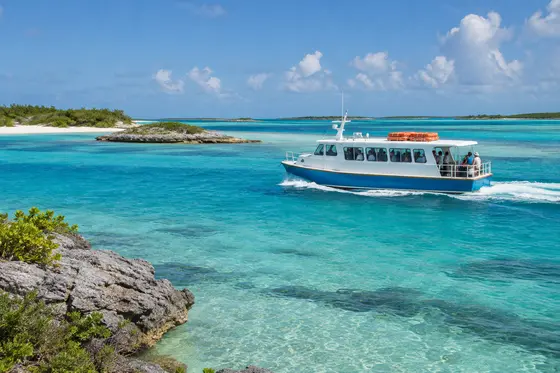
There is little point paying for a boat trip every day. Select one well-run excursion that includes the experience you came for, whether it is a reef, a cay or a day of fishing. Ask which costs are included in the quoted rate and whether the operator has the appropriate safety equipment. Saving money should never mean compromising basic safety.
Put a small reserve aside for changes in transport or weather. On a compact itinerary, you have the option of choosing a pleasant, free activity when a planned trip does not work out. A quieter morning exploring the waterfront can be worth just as much as an elaborate paid excursion.
What to budget for in advance
Write a rough trip budget before looking at accommodation. Include international and local transport, the room rate for the entire stay, food, a few activities, any rental car and travel insurance. Some expenses recur daily, while others are fixed for the whole holiday. For two people, a taxi fare may cost less per person than two places on an organised bus; for a solo traveller, the comparison may be reversed. If a restaurant advertises a meal at one price, check whether taxes and service charges are already included. Keep separate money for the journey home and unexpected costs.
Compare the total instead of the nightly rate
When looking at two rooms, write down the price for the entire stay, including the costs shown at the final booking step. Note the number of people and which meals are included. An apparent price difference may become much smaller after breakfast, airport transfers and daily transport are counted. If a room is quoted for two occupants and you are taking three people, check whether there is an additional charge or whether a larger room is required. Compare like for like, rather than the lowest advertised rate at one property with a refundable rate at another.
It is also useful to distinguish costs according to when you will have to pay them. Some accommodation requires a deposit when booking, others require the balance before arrival, and some hold an incidental deposit. A refundable security deposit still affects the amount of money you need available during the holiday. Review all the conditions before paying. If you expect to have considerable flexibility in your dates, work out whether the savings on a non-refundable booking justify the possibility of losing that payment if your travel plans change.
Use the grocery shop sensibly
A room with kitchen facilities does not mean you have to spend half your holiday preparing elaborate meals. The easiest savings generally come from putting together breakfast, carrying drinking water and making simple lunches on days when you will be away from town. Check what cookware, bowls and cutlery your accommodation actually supplies. If a small fridge or kitchenette suits only light food preparation, plan accordingly. At the shops, compare package sizes and buy quantities that you can reasonably finish during the stay. There is little value in a lower unit price if you depart with half the food unused.
Traditional local meals make a pleasant change from eating every meal at a resort. A plate of peas and rice with freshly prepared fish, for example, can make a satisfying lunch when available at a local restaurant. Do not assume all seafood is inexpensive simply because it is served near the sea. Preparation, availability and the restaurant's location influence the price. Ask about specials and portion sizes rather than guessing. If you are planning several nights in a remote accommodation, ask the host about the availability of local groceries before arriving; a surprise drive to obtain dinner is not a sensible saving.
Be selective about car rental and transfers
On New Providence, it may be possible to arrange a combination of walking, local public transport and occasional taxi rides. On islands with less regular transport and beaches scattered along a long coastal road, a rental car might be better value for several people. Compare taxi quotes for your proposed journeys with the cost of rental, including insurance arrangements, fuel and any deposits. Work out whether you need a car for every day or only for a shorter period. If you are staying somewhere from which most outings begin, one or two days of rental may be enough.
Take account of the distances and access arrangements as well as the comparisons in a spreadsheet. Public transport does not necessarily run at the times or to the exact locations you expect. The official Bahamas visitor information covers some of the usual ways to get around, although local routes and arrangements should be confirmed on the ground. Avoid a long walk along an unfamiliar or poorly lit road simply to save the price of a late taxi. Safety and a reasonable level of comfort belong in a holiday budget, not outside it.
Make a list of places that do not require an excursion booking
Look for beaches with confirmed public access and convenient transport. Choose a shady place to sit and a route that allows you to return for supplies without a lengthy drive. A day of swimming and reading does not have to compete with the activities offered by an expensive resort. If weather or conditions prevent swimming, the same sort of day may instead become a walk along the waterfront or a visit to a settlement where you can see attractive architecture, small shops and craft stalls. Check opening hours and any admission fees in advance when visiting museums, historic sites or parks.
Do not base your plans on entry to a resort beach or pool unless you know that access is permitted and understand any charges. Likewise, remote coastlines and small cays may include privately owned land or conservation areas with access rules. Respect these limits and look for a nearby alternative. Buy or bring basic supplies without assuming that a vendor will be present. A planned half-day at a nearby beach can be a more relaxing and affordable choice than a paid transfer to another island simply because it appears in a holiday advertisement.
Leave a little freedom to enjoy the holiday
Set a rough daily allowance for flexible spending, rather than trying to assign the entire budget to individual purchases before departure. Allow yourself to buy something worthwhile when you come across it, whether it is lunch in a lovely location, a locally made piece of craftwork or a guided nature visit that you had not previously considered. If there are several travellers, have an honest discussion about which optional outings each person values most. A day with no paid activity can balance a day on which you spend more than usual.
Finally, keep separate provision for getting home safely if a travel arrangement changes. Compare insurance covering the actual activities and destinations you have chosen and check the exclusions. Do not treat emergency money as part of the allowance for drinks, shopping or a final outing. If you reach the end of the holiday without needing it, you can save it for your next trip. Careful budgeting is chiefly a way to avoid exchanging rest and enjoyment for financial anxiety, not a competition to spend as little as possible.